Investing in real estate offers a variety of benefits that make it an attractive option for individuals and businesses alike. Here are some key benefits of real estate:
- Appreciation: Real estate historically tends to appreciate over time, meaning the value of properties generally increases. This can provide investors with long-term capital gains.
- Income Generation: Real estate can generate ongoing income through rental payments. Investors can earn regular cash flow from tenants, which can provide a steady source of passive income.
- Portfolio Diversification: Real estate is a tangible asset that diversifies investment portfolios. It can act as a hedge against market volatility and economic downturns, offering stability and potentially reducing overall portfolio risk.
- Tax Advantages: Real estate investors often benefit from various tax advantages, including deductions for mortgage interest, property taxes, depreciation, and operating expenses. These deductions can help reduce taxable income and increase cash flow.
- Leverage: Real estate investing allows investors to leverage their capital by using borrowed funds (mortgages) to purchase properties. This leverage can amplify returns and increase potential profitability.
- Inflation Hedge: Real estate investments historically have shown a positive correlation with inflation. As inflation rises, so do property values and rental incomes, providing a natural hedge against inflationary pressures.
- Control and Tangibility: Unlike stocks or bonds, real estate investments offer investors a tangible asset they can see, touch, and improve. Investors have more control over their investment decisions, such as property management, renovations, and tenant selection.
- Long-Term Wealth Building: Real estate investing can build long-term wealth through equity appreciation, rental income, and mortgage pay-down. Over time, properties can increase in value while mortgages are gradually paid off, increasing net worth.
- Flexibility and Options: Real estate offers a range of investment options, including residential properties (single-family homes, apartments), commercial properties (office buildings, retail spaces), industrial properties, and more. Investors can choose properties that align with their financial goals and risk tolerance.
- Passive Investment: Real estate investments can be structured to require minimal hands-on management, especially with the use of property management services. This allows investors to generate passive income without active involvement in day-to-day operations.
Real estate are property consisting of land and the buildings on it, along with its natural resources such as crops, minerals, or water. It can be categorized into residential, commercial, industrial, and land properties. Here are the key features and descriptions of various types of real estate.
Key Features of Residential Real Estate:
- Single-Family Homes:

- Description: Detached homes designed for one family. Offers privacy and space.
- Features: Varies widely, but often includes a yard, garage, multiple bedrooms, and bathrooms.
- Use Case: Ideal for families looking for personal space and a yard.
- Condominiums (Condos):
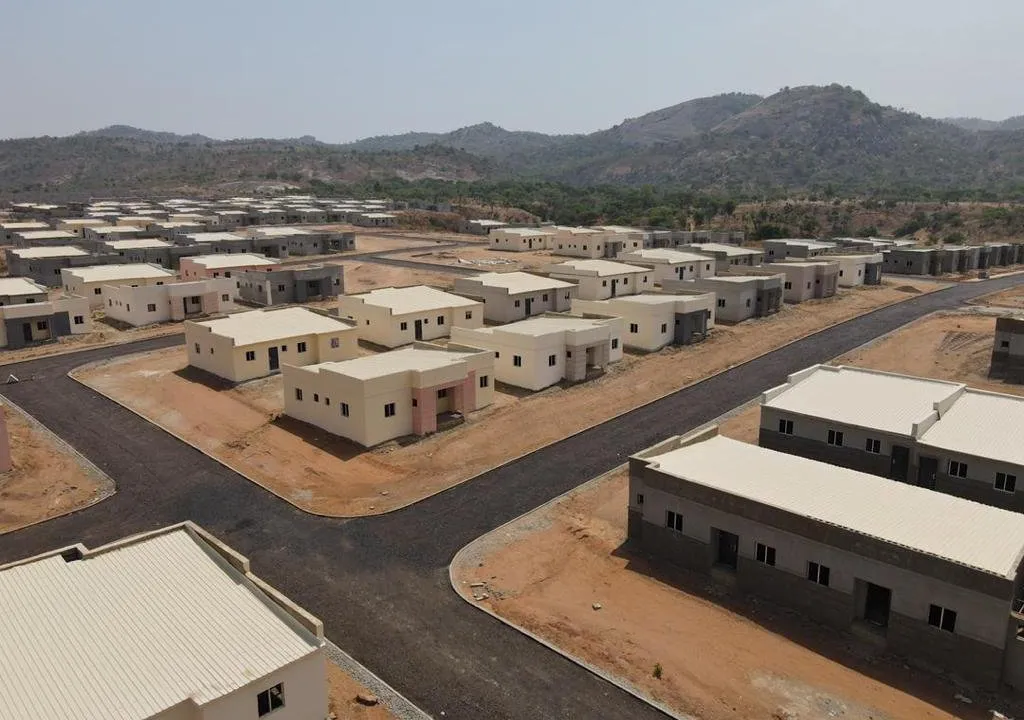
- Description: Individual units within a larger building or community. Residents own their unit but share common areas.
- Features: Includes amenities like pools, gyms, and security. Maintenance of common areas is handled by a homeowners’ association (HOA).
- Use Case: Suitable for those who prefer low maintenance living with amenities.
- Townhouses:


- Description: Multi-story homes that share one or two walls with adjacent properties but have individual entrances.
- Features: Combines elements of single-family homes and condos. includes small yards or patios.
- Use Case: Great for individuals or families wanting a balance of privacy and community living.
- Apartments:
- Description: Rental units within a multi-family building.
- Features: Typically rented out by tenants, with amenities varying by building.
- Use Case: Ideal for renters looking for flexible living arrangements without the commitment of homeownership.
- Luxury Homes:


- Description: High-end residences with premium features and finishes.
- Features: Large spaces, state-of-the-art amenities, prime locations, often with custom designs and high-quality materials.
- Use Case: Designed for affluent buyers seeking luxury and exclusivity.
Key Features of Commercial Real Estate:
- Office Buildings:

- Description: Buildings used for business purposes, ranging from small professional offices to large skyscrapers.
- Features: May include office spaces, conference rooms, lobbies, and parking.
- Use Case: Suitable for businesses of all sizes requiring space for employees and operations.
- Retail Properties:


- Description: Spaces used for selling goods and services, such as shopping centers, malls, and standalone stores.
- Features: High foot traffic areas, storefronts, parking lots, and sometimes food courts.
- Use Case: Ideal for retailers looking to attract customers and showcase products.
- Industrial Properties:

- Description: Includes warehouses, manufacturing plants, and distribution centers.
- Features: Large spaces for storage or production, loading docks, and often proximity to transportation hubs.
- Use Case: Used by companies involved in manufacturing, logistics, and storage.
- Mixed-Use Developments:

- Description: Combines residential, commercial, and sometimes industrial spaces in one development.
- Features: Multi-functional buildings, often with retail on the ground floor and residential units above.
- Use Case: Offers a convenient, urban lifestyle where people can live, work, and shop in the same area.
Key Features of Industrial Real Estate:
- Manufacturing Buildings:

- Description: Facilities where goods are produced and assembled.
- Features: Large open spaces, specialized equipment areas, loading docks, and high ceilings.
- Use Case: Used by manufacturers needing large-scale production areas.
- Warehouses:

- Description: Buildings designed for storage and distribution of goods.
- Features: High storage capacity, loading docks, and sometimes climate control for perishable goods.
- Use Case: Ideal for logistics companies and businesses needing large storage spaces.
- Flex Spaces:


- Description: Versatile spaces that can be used for offices, warehouses, or light manufacturing.
- Features: Combination of office and industrial space, adaptable to various business needs.
- Use Case: Suitable for businesses requiring both administrative and operational space.
Key Features of Land:
- Residential Land:

- Description: Plots designated for residential development.
- Features: Often located in planned communities or suburban areas, ready for home construction.
- Use Case: For building new homes, subdivisions, or housing developments.
- Commercial Land:

- Description: Plots designated for commercial use, such as retail centers, offices, or hotels.
- Features: Located in areas zoned for commercial activities, with infrastructure support.
- Use Case: Ideal for developers looking to build shopping centers, office complexes, or other commercial properties.
- Agricultural Land:

- Description: Land used for farming, livestock, and other agricultural purposes.
- Features: Fertile soil, water access, and sometimes existing farm infrastructure.
- Use Case: Used by farmers and agricultural businesses for crop production and animal husbandry.
- Recreational Land:

- Description: Plots used for recreational purposes, such as parks, campsites, and golf courses.
- Features: Natural beauty, outdoor amenities, and sometimes facilities like cabins or clubhouses.
- Use Case: Suitable for businesses and organizations offering recreational activities.
Choosing the Right Real Estate:
When selecting real estate, consider the following:
- Purpose: Determine the primary use of the property, whether it’s for living, business operations, manufacturing, or investment.
- Location: Consider proximity to amenities, transportation, and target markets. Location significantly impacts property value and usability.
- Budget: Ensure the property fits within your financial plan, including purchase price, maintenance, and potential renovations.
- Features: Look for properties with the necessary features and amenities that meet your needs, such as parking, accessibility, or specific facilities.
- Future Potential: Consider the long-term potential of the property for appreciation, development, or changing needs.
By understanding these features and considerations, you can make informed decisions when investing in or utilizing real estate.
Overall, real estate offers numerous benefits that make it a compelling investment option for those seeking to build wealth, generate income, and diversify their investment portfolios. It’s important for investors to conduct thorough research, assess risks, and consider their financial goals before making real estate investments.